
Categories
Real Estate Guides and InsightsPublished May 23, 2026
Buying a Second Home in Estes Park: The One Decision That Determines Everything

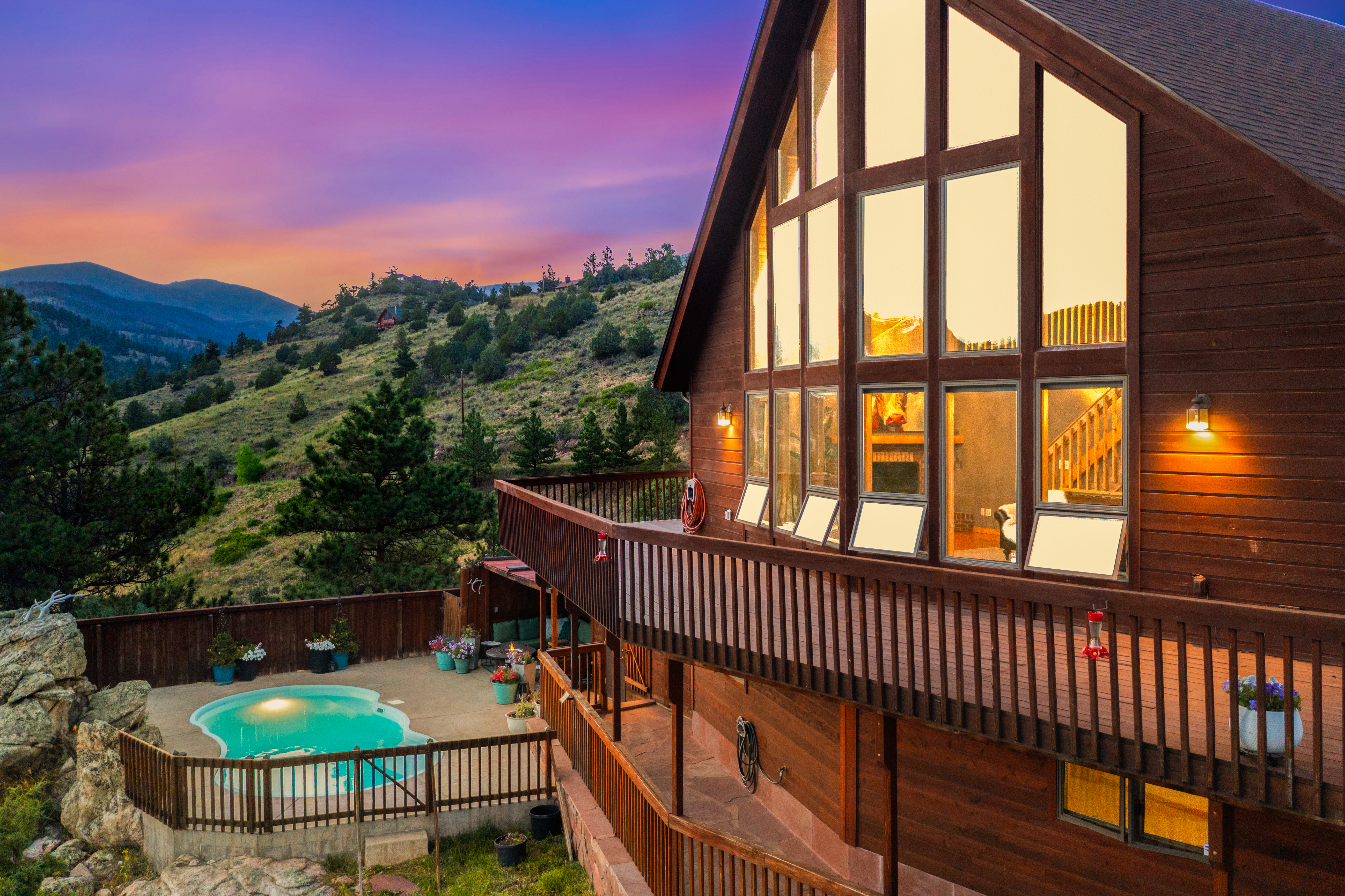
Buying a Second Home in Estes Park: The One Decision That Determines Everything
If you're considering a second home in Estes Park, the first question isn't where to buy. It's how you're going to use it.
Before you fall in love with a property, you need to answer one critical question: How are you actually going to use this second home? This single choice drives everything. Where you can buy, what you should look for, your financing options, your insurance needs, and how you'll manage the property year-round.
Whether you're planning a career change, considering retirement, looking for a second home, or making a strategic lifestyle move to the mountains, understanding your usage plan upfront can save you from costly mistakes and frustrating limitations down the road.
The Big Decision: How Will You Use This Property?
This isn't about daydreaming about mountain sunsets. This is about the real, practical plan. Because this single choice drives everything about your second home purchase.
There are really four main scenarios:
Private Retreat (Just for You)
No guests, no rentals, just your own personal escape. Maximum flexibility with nearly every neighborhood and HOA in Estes Park and the valley available to you. You're free to focus on what matters most: the view, proximity to hiking, ease of winter access, whatever speaks to your vision for mountain living.
Family and Friends Sharing
You'll share it with family and friends when you're not using it, but no money changes hands. This is still considered personal use by most HOAs. The main consideration here is space. You'll want enough bedrooms and bathrooms to actually host people comfortably. It's worth checking HOA documents for any guest stay limits, though these are rare in most Estes Park communities.
Monthly or Seasonal Rental
You want to rent it out on a monthly or seasonal basis (30 days or longer) to help cover your costs or generate some income. Long-term rentals are generally more HOA-friendly than short-term, but you'll still need to check the fine print. Some HOAs require six-month or even one-year minimum leases. These properties often appeal to seasonal workers, corporate relocations, or snowbirds looking for a few months in the mountains. Managing a monthly rental is significantly less intensive than turning over a short-term rental every few days.
Short-Term Rental (Under 30 Days)
You want to run it as a short-term rental (less than 30 days at a time) to maximize rental income. This is the most limited option because many neighborhoods in Estes Park flat-out prohibit short-term rentals. Regulations change periodically, so buyers should always verify current rules before purchasing.
Your answer to this question determines which properties are even available to you. It's much easier to figure this out now than after you've made an offer on a place that doesn't fit your plan.
How Your Answer Changes Where You Buy
Let's break down how each of those four scenarios affects where you can actually buy in Estes Park and the surrounding valley.
Private Use Only
Maximum flexibility. Nearly every neighborhood and HOA in Estes Park and the valley works for this. You're free to focus on what you love: the view, proximity to hiking, ease of winter access, whatever matters most to you personally.
Family and Friends Sharing
You're still in great shape. This is still considered personal use by most HOAs. The main thing to consider is space and any guest stay limits in HOA documents, though these are uncommon.
Monthly or Seasonal Rentals
Your options start to narrow slightly. Long-term rentals are generally more HOA-friendly than short-term, but you'll still need to check the fine print. Some HOAs require six-month or even one-year minimum leases.
Short-Term Rentals (The Most Restrictive)
This is where it gets restrictive. Many neighborhoods flat-out prohibit short-term rentals in Estes Park. You'll need to verify several layers of regulation:
• Town of Estes Park or Larimer County jurisdiction and zoning requirements
• Available short-term rental licenses (both jurisdictions maintain caps and waitlists)
• HOA covenants and restrictions (HOA rules trump zoning every single time)
In Larimer County's Estes Valley planning area, you'll typically be looking at properties in zones that allow short-term rentals within the county license system. The Town of Estes Park has its own vacation home licensing requirements. Both jurisdictions have limited numbers of licenses with waitlists. Current regulations can be verified through Larimer County Planning and the Town of Estes Park.
If short-term rental income is part of your plan, you need to verify all of this before you even make an offer. Don't assume. Don't think you can change the rules later. Check the county or town regulations, check the HOA covenants, and make sure both boxes are checked. You can't fix this after closing.
The bottom line: the more commercial your use, the fewer your options. Know your strategy before you start looking, not after you find a property you love.
Financing and Insurance Differences
You've figured out how you want to use your second home. Now let's talk about how that decision affects financing and insurance.
Financing: Personal Use vs. Investment Property
If it's truly a second home (meaning you're using it personally or just sharing it with family and friends), you'll typically qualify for better loan rates than if it's classified as an investment property. Lenders treat personal-use second homes more favorably.
But if you're planning to rent it out, whether monthly or short-term, the lender is going to classify it as an investment property. That usually means higher interest rates and often a larger down payment requirement.
Here's the key: your lender needs to know your intent upfront. This isn't something you figure out after you've been preapproved. The loan type is different and the qualifications are different. We always recommend talking with a local lender who understands financing mountain property first. Our preferred lending partner is Harriette Woodard at Bank of Colorado Mortgage right here in Estes Park. She consistently helps our clients navigate these differences and find the right loan structure for their plans.
Insurance: Match Coverage to Use
If it's a vacation home you're using personally, you'll need vacation home coverage, not just your standard homeowners policy.
But if you're renting it out, you'll need rental property coverage, which includes liability protection for your guests. And here's something many people don't realize: some insurance carriers won't insure short-term rental properties at all. If you're planning to run an Airbnb or Vrbo, you'll need to verify that you can actually get coverage before you buy.
Also, if the property is going to sit vacant for extended periods, especially in winter, some policies require vacant home coverage. This is mountain property. Things happen when you're not here. Make sure your insurance reflects how you're actually using the property.
Property Management and Year-Round Monitoring
Let's talk about what it actually takes to maintain a second home in the mountains, because this is something many buyers underestimate.
Year-Round Monitoring Is Not Optional
This is high-elevation mountain property. Pipes freeze, furnaces fail, roofs leak. If you're not here when this happens, a small problem can become a very expensive disaster.
Critical maintenance considerations:
• Keep the heat on year-round, even when you're not using it. Winterization means heating cables on pipes, proper insulation, and a thermostat that never goes below 55 degrees.
• Smart home systems are essentials, not luxuries. Leak detection sensors, temperature monitoring, security cameras. You need to know what's happening inside your home when you're hours away.
• Build a local team: a reliable plumber, an HVAC tech, a handyman who can get there quickly, and someone who handles snow removal.
If it's just for your personal use, set up a check-in system for yourself and any guests. Coordinate with a neighbor or hire someone to do regular property checks. Plan ahead for pre-arrival prep like turning the heat up and making sure water lines are clear.
If You're Renting: Self-Manage or Hire a Property Manager?
All of the above still applies, but you're adding another layer.
Self-managing sounds cheaper, but it's also a lot of work. You're handling guest communication 24/7, coordinating cleaners between stays, responding to maintenance issues immediately (not next week), and managing all the bookings, payments, and reviews. It's all on you.
Professional property management typically costs 20 to 30 percent of your gross rental income, but they handle all the operations: cleaning coordination, guest support, and maintenance calls. For many homeowners, especially if you don't live nearby, that cost is absolutely worth it.
One more thing: turnover costs add up fast with short-term rentals. Linens wear out, furniture gets used hard, things break more often when there's constant traffic. Factor this into your budgeting.
The Financial Reality Check
Let's talk finances, because this is where many homeowners get surprised. Here are the costs people constantly underestimate:
Year-Round Utilities
Even when the place is vacant, you're paying for heat, water, electric, trash, and internet (unless your HOA covers these). You can't just shut everything off in the winter and walk away. The heat stays on.
HOA Dues
If your property is in an HOA, those fees don't stop because you're not using it.
Snow Removal
Driveways, walkways, roofs after heavy snow. This isn't something you do once a year. It's ongoing all winter long.
If You're Renting
Add:
• Property management fees (20 to 30 percent of rental income)
• Cleaning costs between every single guest
• Restocking costs for linens, toiletries, kitchen supplies
• Furnishings that need to be replaced more often due to wear and tear
• Annual short-term rental license fees and lodging taxes (if applicable)
Now, rental income. Let's be realistic. Peak season in Estes Park (summer and fall) can be strong for short-term rentals, but shoulder seasons are quiet, and winter varies depending on snow and holiday timing. Occupancy rates are not consistent month-to-month. Some properties do great year-round. Others sit empty from November to April.
If you're using a professional property management company, they're taking 20 to 30 percent right off the top. Then you've got your actual expenses: mortgage, utilities, maintenance, cleaning, and HOA fees. What's left is your net income. And for many properties, that number is smaller than people expect.
Here's the advice: Do not buy a property you can't afford without rental income. If the numbers only work because you're counting on Airbnb revenue, you're taking a huge risk. Buy a property that you can carry on your own, and treat rental income as a bonus that helps offset your costs, not as the thing that makes the whole plan possible.
Tax Considerations
The IRS has specific rules about how personal use days versus rental days affect your tax treatment. If you're using it yourself for more than 14 days or 10 percent of rental days (whichever is greater), it changes how you can deduct expenses.
This isn't tax advice, but it is complicated enough that you absolutely need to talk to a CPA before you buy. They can help you understand the implications and plan accordingly.
Action Steps Before You Buy
Let's wrap up with the steps you need to take before you even make an offer:
1. Verify Zoning and Short-Term Rental Rules
Don't assume. Contact the planning departments directly (Town of Estes Park or Larimer County) with the specific property address. Ask the questions directly. This is public information and they want to tell you. Regulations change, so always verify current requirements.
2. Read All the HOA Documents
All of them. Rental restrictions, guest policies, architectural review requirements, special assessment history. These documents tell you what you can and can't do with your property. If you don't read them before you buy, you can't complain about them afterwards.
3. Run Real Numbers
Not just best-case scenarios. Use conservative occupancy estimates. Include all your expenses. Factor in management fees if you're hiring someone. Don't count on the property paying for itself unless the math really works.
4. Build Your Local Team Before You Close
Find a property manager if you're renting. Line up a handyman, plumber, HVAC company, and snow removal service. You don't want to be scrambling to find someone the first time something breaks at 9:00 PM on a Saturday night.
5. Be Honest With Yourself About Your Why
Ask yourself:
• If this is primarily an investment and rental income is the goal, does the math actually work?
• If it's primarily for personal use and you're hoping rentals will cover the costs, are you okay if they don't?
• If you're planning to self-manage a short-term rental, are you really ready for the time commitment?
Know your why, make sure the plan is realistic, and don't talk yourself into something that doesn't actually fit your lifestyle.
Buying a second home in Estes Park can be an incredible investment, whether it's a financial investment, a lifestyle investment, or both. But the key is knowing how you want to use it before you start shopping, because that one decision determines everything else.
At Signature Home Team, we specialize in helping discerning buyers and sellers navigate Estes Park's real estate market with the local expertise and five-star service that makes your transition seamless. Whether you're considering a second home or exploring other mountain communities in Northern Colorado, we'd welcome the opportunity to be your resource.
Our proven Signature Way system ensures you receive innovative marketing, dedicated specialist support, and genuine care throughout your real estate journey. Reach out today to discuss your mountain living goals and discover how we can help you find your place in this beautiful corner of Colorado.
Resources
Harriette Woodard - Bank of Colorado Mortgage
Town of Estes Park Vacation Home Licensing
Larimer County Short-Term Rental Information
Estes Park Living YouTube Channel
Everything Estes Park Facebook Group
Signature Home Team on Instagram
Signature Home Team on Facebook
About the Author: Julie Abel is a licensed real estate agent with Signature Home Team, brokered by Keller Williams Top of the Rockies, specializing in Estes Park and Northern Colorado mountain communities. She shares insights about real estate and mountain living through the Estes Park Living channel.

Signature Home Team
| Estes Park Realtor - Signature Home Team | Keller Williams Top of the Rockies
or another way